
A Promised $500 Million Infusion Thrusts Ute Athletics to the Forefront of Collegiate Sports and Prevents its Slide into Second Tier Irrelevance

With the overwhelming heft and influence of universities in the SEC and B1G Conferences, the risk to all other conferences and their teams signals a real potential of being left behind as collegiate sports continues to morph into something new.
However, with the foresight to create a for-profit LLC and partner with a private equity group for a pledged half-a-billion-dollar war chest, University of Utah leadership has proclaimed, "Nope, ain't happening. We will do what we need to do enable our teams, programs and athletes to compete at the highest level with everyone."
And so, amateur college sports (as we've known it for over a century) is now officially dead, with the spike driven through its heart by Ute Athletics. Go Utes!
17 December 2025 — Salt Lake City — In a transformative step that could redefine the economics of college sports forever, the University of Utah has created Utah Brands & Entertainment LLC, a for-profit commercial enterprise designed to modernize and expand the business engine powering Ute Athletics.
Approved a week ago on 9 December 2025 by the university’s Board of Trustees, the move signals a transformative financial restructuring at the HigherEd institution up-on-the-hill that was clearly not a spur-of-the-moment decision.
This move thrusts the UofU, Ute Athletics and the State of Utah to the forefront of college sports on a financial/monetary basis.
In the process, the University of Utah has effectively driven the final death spike into oft-revered phantom of what was once known as amateur sports, at least at the university and collegiate level of sports competition here in the United States.
And it did so, according to Yahoo Sports, by forming a new Utah-based, for-profit entity that is slated to be backed by a projected $500 million capital infusion via a private equity–aligned partnership with Otro Capital.
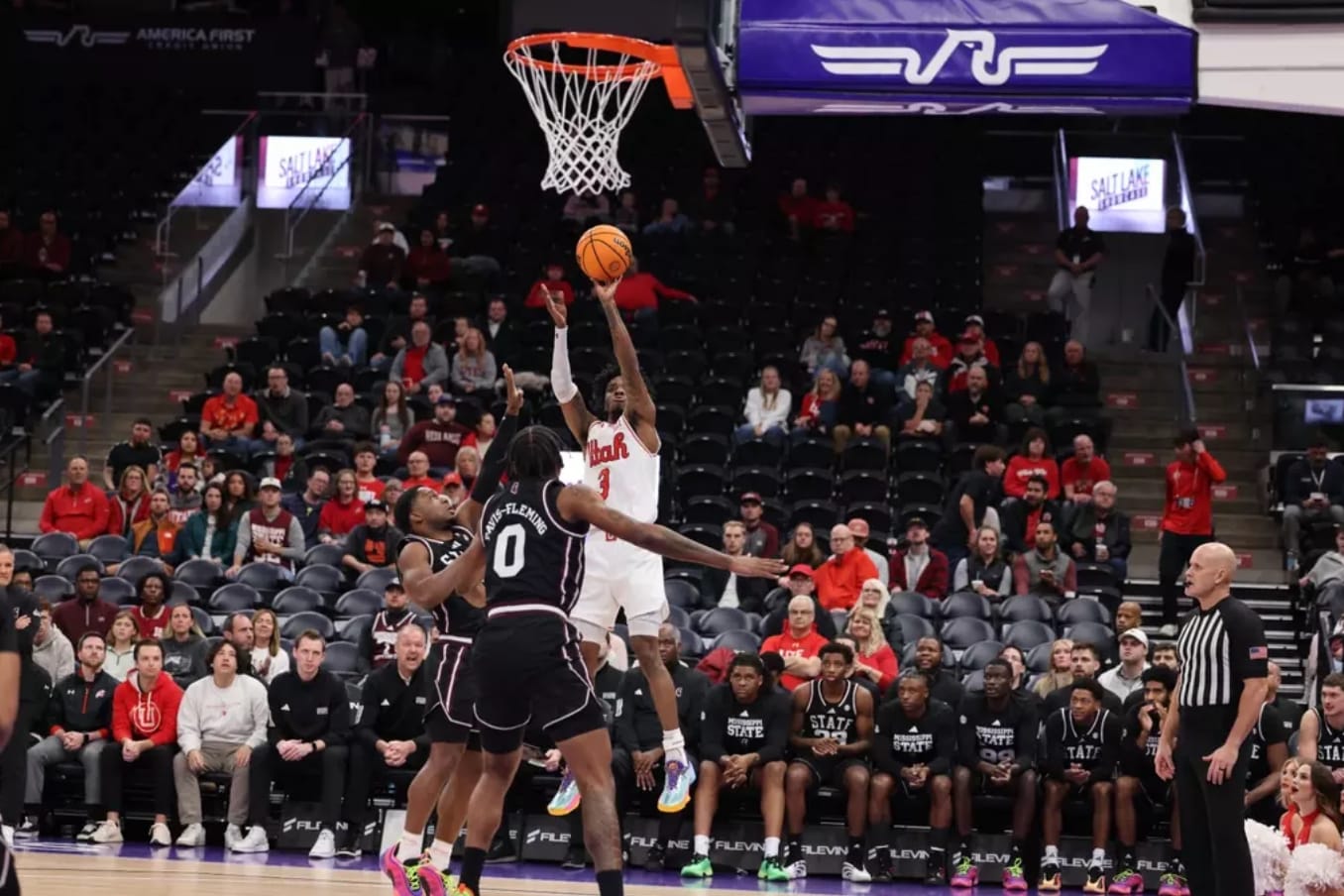
With the backing of these promised funds (expected to begin flowing in 2026), Ute Athletics not only jumps creatively to the front of the line in a Wall Street-impacted world, the UofU is now also poised to crash-the-party led by the arguable behemoths running "D-1" football, and ergo, college sports:
- The Southeastern Conference (SEC), and
- The Big Ten Conference (B1G).
Otro Capital: The "Daddy Warbucks" backing Ute Athletics
Otro is a New York City–based private equity firm with a reported $839 million in AUM (Assets Under Management), not a massive amount in the PE world, but not nothing either.
Otro's focus is on investing in sports, media, entertainment, gaming, and commercial assets.
Founded in 2023 by a team of experienced operators and investors, many of whom previously worked together in senior roles at RedBird Capital Partners where they helped build sports and media portfolios.
Otro describes itself as an “operator-led” investment firm targeting under-monetized, scalable businesses within the sports ecosystem, with strategic emphasis on intellectual property, commercial rights, and growth opportunities.
Although the UofU did not disclose financial specifics, multiple national media outlets report that the deal is the largest private-capital engagement tied to any collegiate athletics program to date.
In other words, the UofU is not tinkering at the margins.
Instead, it's clear that the decision by UofU leaders is designed to help level-the-playing-field for Ute Athletics.
In other words, it's an effort to elevate its programs, teams and athletes so they can fairly and continually compete across all sports and contests, not just within the BIG 12 Conference, but also with the programs and athletes of the B1G and the SEC.
Contextual Background: The Top 10 University Athletics Departments by Revenue
Based upon reporting provided by USA Today for the fiscal 2024 year (ended 30 June), here is a Top 10 ranking of annual athletics revenue by institution (and their respective conferences).
- Ohio State University (B1G), ~$251.6MM;
- University of Texas-Austin (SEC), ~$239.3MM;
- University of Alabama (SEC), ~$214.4MM;
- University of Michigan (B1G), ~$210.7MM;
- University of Georgia (SEC), ~$203MM;
- Louisiana State University (SEC), ~$199MM;
- Texas A&M University (SEC), ~$193MM;
- University of Florida (SEC), ~$190MM;
- Penn State University (B1G), ~$181 MM; and
- University of Oklahoma (SEC), ~$177MM.
Clearly, this data showcases the fact that the SEC has 7 of the Top 10 largest athletics programs in the U.S. (based upon annual revenue), with the B1G having the remaining three.
Not included in this list, however, is the University of Notre Dame, with CNBC pegging the FY24 athletics revenue for the Fighting Irish at over $224 million, enough to place ND in the Top 3 (if accurate).
By contrast, that same USA Today ranking places the UofU at No. 36 on the list at ~$115.7 million, behind such BIG12 schools as
- The University of Arizona, No. 31, ~$124.3MM;
- Arizona State University, No. 32, ~$121.1MM; and
- The University of Kansas, #35, ~$118MM.
However, as formally reported by the UofU itself, its actual FY2024 revenue for Ute Athletics came in at $109.8 million, with a total loss for fiscal 2024 of over $17 million.
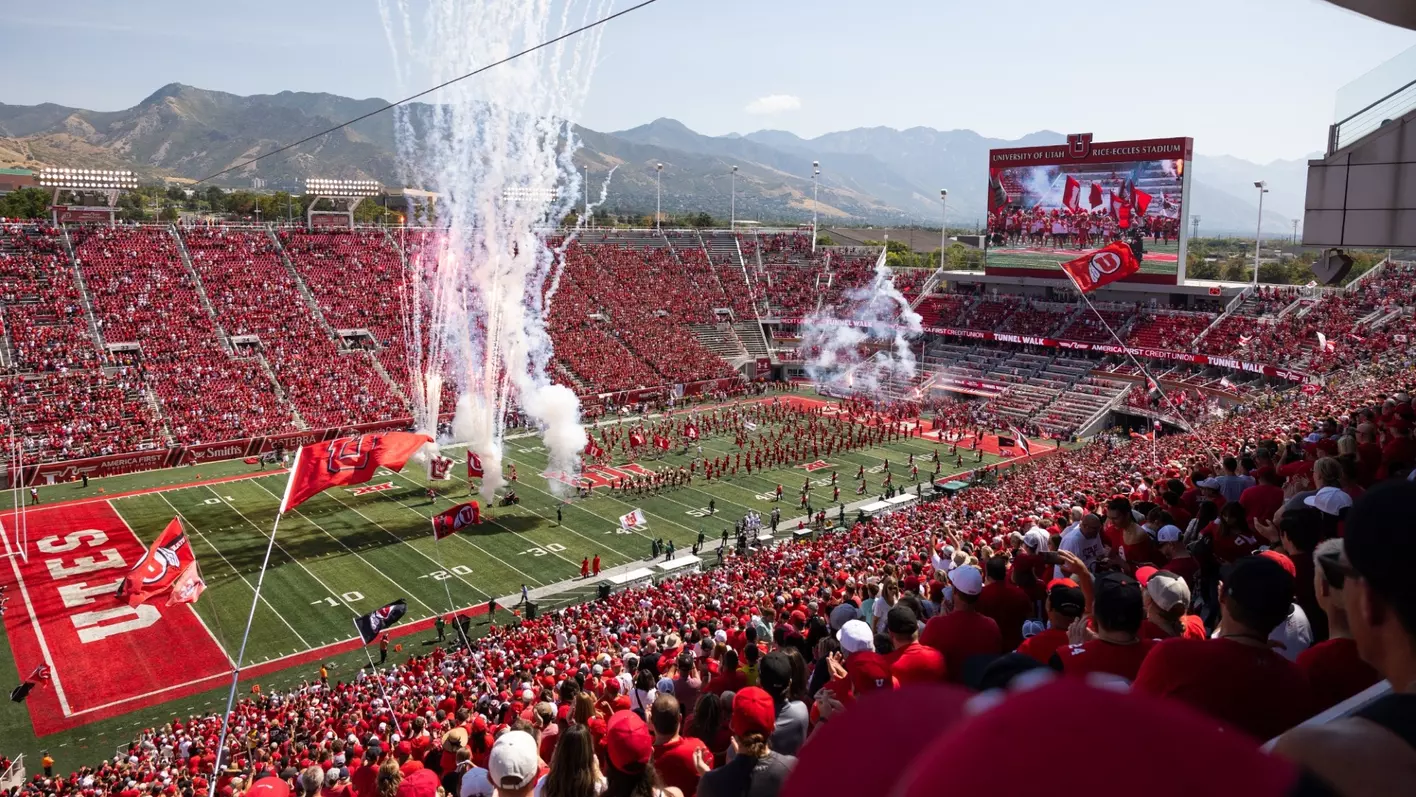
That $109.8 million would have actually placed Ute Athletics at No. 41 in an adjusted USA Today national ranking, making it sixth in the BIG12, also behind
- Iowa State University, adjusted to No. 38, ~$111.3MM; and
- Texas Tech University, adjusted to No. 40, ~$110.2MM.
{AUTHOR'S NOTE: As a private institution owned by the Church of Jesus Christ of Latter-day Saints, Brigham Young University has not published any financial details about any of its operations, including athletics.}
The Five Financial Realities Driving this Move
After digging into this recent announcement from the University of Utah and Ute Athletics, I believe that least five factors have driven this decision at the UofU:
- The clearly unforseen revolutionary affect of the 1 July 2021 unveiling of the Name, Image and Likeness (NIL) initiative by the National Collegiate Athletic Association (NCAA);
- The multiyear implosion of the Pac-12 Conference, which began in mid-2022 when four major universities — the University of Southern California (USC), the University of California at Los Angeles (UCLA), the University of Oregon (Oregon), and the University of Washington (UW) — collectively announced they were abandoning the PAC-12 for the B1G;
- The 4 August 2023 UofU announcement that it would leave the PAC-12 and join the BIG12, a move completed with the beginning of the 2024-2025 academic year on 1 July 2024;
- The $17 million loss suffered by Ute Athletics in fiscal 2024, driven primarily by the then-ongoing implosion of the PAC-12; and, last but certainly not least,
- The still unfolding, tsunami-like transformation of all of U.S. collegiate sports due to the 6 June 2025 House Settlement, the antitrust agreement stemming from House v. NCAA that authorizes universities to pay athletes directly from athletic department revenues.
When I contemplate the Venn Diagram-like overlay of these five factors, I suspect the figurative writing-on-the-wall became painfully obvious to University of Utah execs contemplating the imperative need to:
Change the financial realities of UofU Athletics, or begin a slow slide into irrelevance.
Naturally, such an option was untenable for Ute Nation.
Hence, with this decision, the UofU becomes the first major U.S. university to formally execute a private-equity–aligned, for-profit commercial athletics entity.
And it did so with a projected half-billion-dollar capitalization.
Not bad. Not bad at all!
While other schools have explored the idea, none have consummated a partnership at this scale or with this level of structural clarity.
What Utah Brands & Entertainment LLC Will Control
As explained with some detail in the YouTube video below, the new entity — majority owned by the University of Utah Foundation — will centralize the commercial operations of Ute Athletics, including:
- Corporate sponsorships,
- Ticketing and sales operations,
- Fan-experience design and game day economics,
- Event revenues,
- Trademarks and licensing, and
- Brand development across athletics and related verticals.
Broadcaster, Bill Riley, interviews UofU President (Randall Taylor, Ph.D.) and Mark Harlan, Athletics Director of Ute Athletics, on 09 December 2025. Video hosted on YouTube.
These responsibilities shift the business of athletics, but not the sport or the competition.
Specifically, the UofU Athletics Department will retain complete authority over
- Coaching,
- Scheduling,
- Competitive operations,
- Athlete support and care, and
- Facilities management.
Conversely, the LLC becomes the commercial engine.
As a result, athletics remains the competitive and cultural steward.
How the Money Flow will Likely Happen
While neither the UofU or Otro have disclosed specific terms, models like this typically function through three mechanisms:
🔹 Capital infusion from investors (and potentially donors), directed, in this instance, to the LLC, to scale revenue operations.
🔹 Revenue generation from sponsorships, licensing, ticketing, the sale of intellectual property rights, and fan-experience ventures.
🔹 Distributions flowing back to the University of Utah Foundation, which will then allocate funds to Ute Athletics.
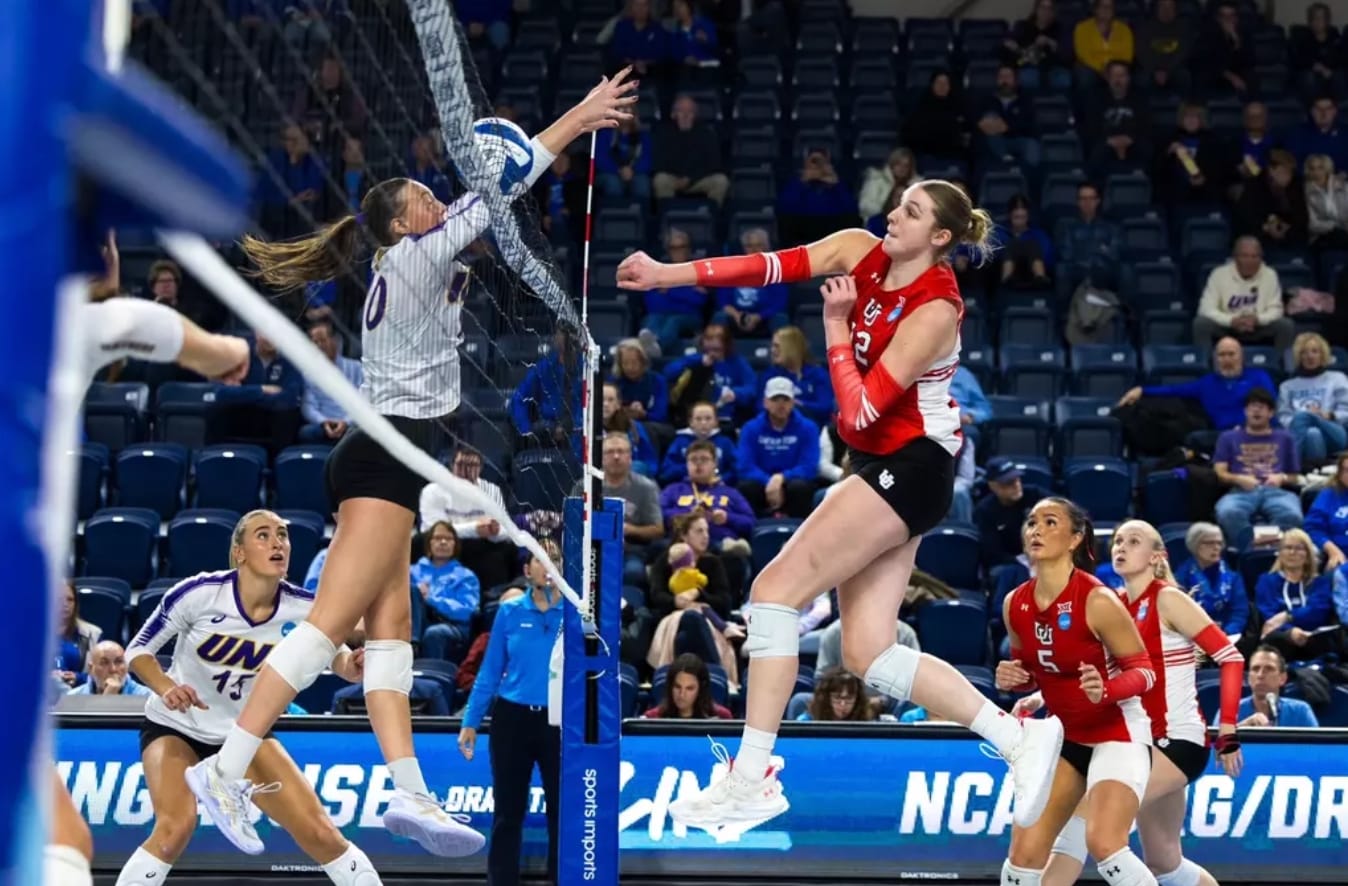
This structure allows the UofU to preserve full operational control while leveraging professional commercialization strategies outside of traditional university constraints.
Otro Capital’s Role and the Still-Emerging Modern Collegiate Athletics Marketplace in America
With this partnership between Otro Capital and the UofU, Otro will end up with a minority equity stake in Utah Brands & Entertainment LLC.
How much has not yet been disclosed, which means it's impossible to correctly nail-down an accurate valuation for Utah Brands & Entertainment LLC.
But I suspect the capitalization probably falls somewhere between $999.0 million to $1.5 billion, which (if accurate) would mean that Otro has acquired / will acquire somewhere between a 33% to 49.9% stake in the new firm.
Now ... while the hype/excitement has been around the announcement of the anticipated and planned for $500 million infusion into Ute Athletics, do not be confused.
Otro has made a financial commitment to the UofU, but it is HIGHLY UNLIKELY that a $500 million transfer of funds has actually occurred.

Rather, I expect that it's similar to what happens when venture capital firms complete a new capital raise.
These VC companies secure commitments from various investors to provide capital into a fund as monies are needed via what's known as a "capital call."
Otherwise, the promised monies stay under the control of the respective investors.
In other words, in their own bank accounts, money they still control.
This is the path I that expect has been followed with the Otro/UofU agreement regarding the funding and formation of Utah Brands & Entertainment LLC.
But such details have yet to be disclosed.
And I'm not sure they ever will be shared, officially at least.
Additionally, to further clarify, the Otro-led funding will represent a combination of private-equity commitments, as well as additional investor and donor participation.
What said "additional investor and donor participation" will actually look like, or how it will occur, is anyone's guess.
Why This Matters Financially: The Follow-the-Money Viewpoint
1. Competing in the BIG12, and in the modern College Football Playoff landscape, requires real capital
The arms race is no longer metaphorical.
NIL collectives at major SEC and B1G schools routinely exceed $10–$20 million annually.
And as has been widely reported, Texas Tech University allegedly corralled over $20 million in NIL collective monies just to fund athletes on its CFB-bound football team this year.
As such, without a modern commercial engine, the UofU risks being outspent into irrelevance.
2. The move protects academic, research and healthcare funding
By shifting revenue operations into an LLC under the Foundation, the UofU strengthens its financial firewall.
Specifically, as stated by President Taylor in his comments to broadcaster, Bill Riley, Ute Athletics cannot and will not compete with other institutional missions for funding at the University of Utah.
Period.
3. This is the professionalization of athletics, not merely an economic adjustment
Revenue-sharing, NIL monies, athlete (and coach) mobility, plus media fragmentation demand that athletic departments think like modern entertainment enterprises.
To me the intent is clear:
Build Utah Brands & Entertainment LLC (and by extension, Ute Athletics), into a modern entertainment enterprise.
{AUTHOR'S NOTE: I am not sure if Utah Brands & Entertainment LLC has been officially and legally formed yet, although I suspect it has.
That said, a website for the entity does not apparently exist as of today.}
How the UofU Fits Into the National Landscape
Despite years of speculation across college athletics, only one other university has taken a step even close to this, Florida State University, and even it falls short of the bodacious move made by the UofU.
Specifically, as published by to the Duane Morris Sports Law Report, Florida State has held discussions with private-equity firms, including Sixth Street Partners, while working with JPMorgan to evaluate potential capital raises reportedly between $60 million and $100 million.
To date, such explorations have not morphed into reality.
What has transpired at Seminole Athletics, however, is the expansion of its commercial operations through a 10-year multimedia rights deal with Legends, as explained in this FSU news release.
This agreement consolidated marketing, sponsorship and fan-experience operations, but is a rights partnership and not a private-equity capitalization.
So close, but no cigar!
Beyond FSU’s exploratory work, however, not one institution — not in the SEC, the B1G, the BIG12, of the ACC (the Atlantic Coast Conference) — has moved beyond concept to execution.
In other words, in every material way,
The University of Utah is the first major university to formalize a private-equity-aligned business model for athletics. Period!!!
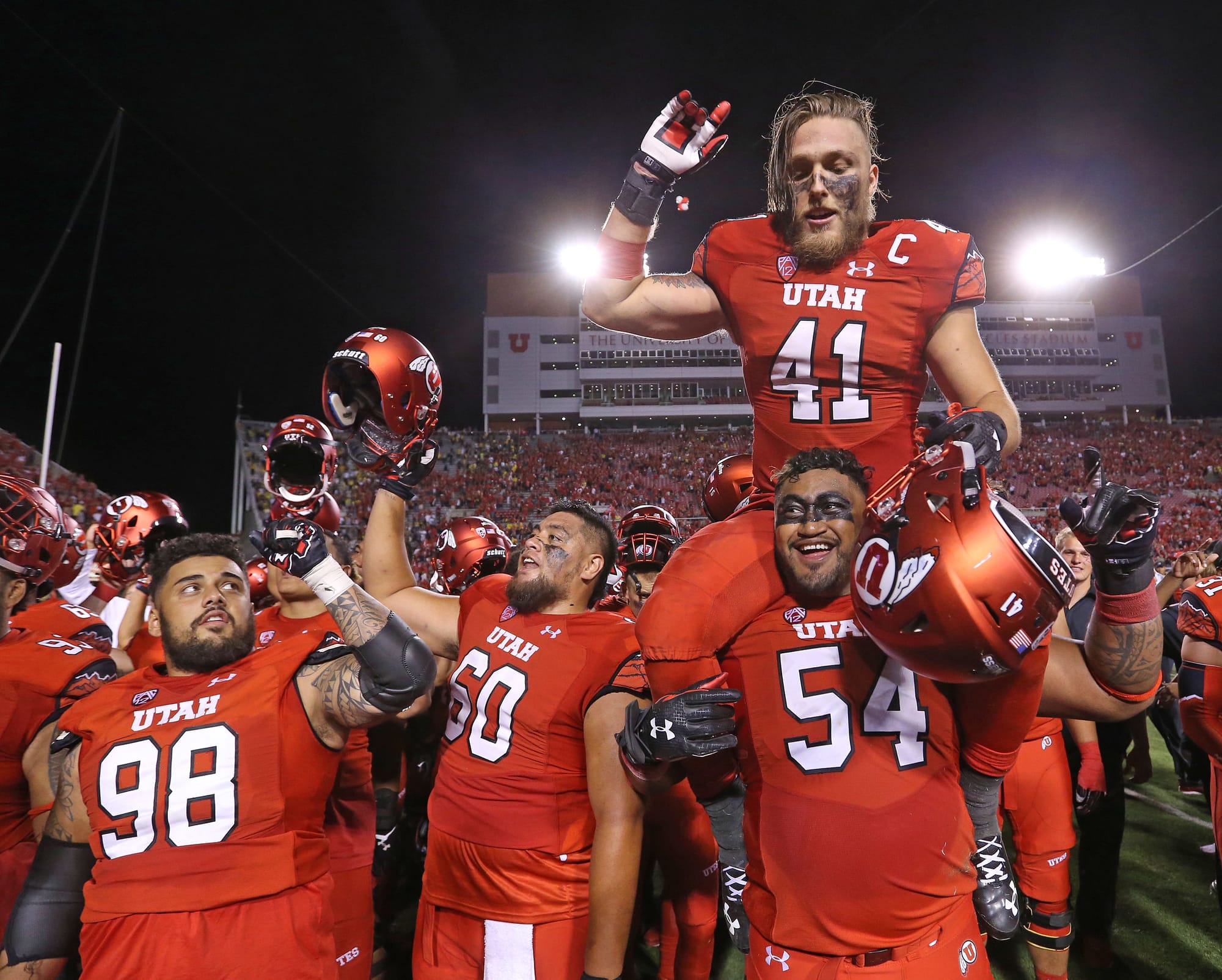
What others considered, the University of Utah executed.
Critical Unanswered Questions
Additionally, here are just a few of the questions I am curious about as a journalist, a fan of Ute Athletics, and as a tax-paying citizen of the state.
- What economic rights do investors receive in exchange for capital?
- What is Otro Capital’s expected timeline for returns?
- How will revenue distributions be structured between the LLC and the Foundation?
- Will the capital infusion be delivered upfront or staged?
- Are future facilities, entertainment districts or media expansions envisioned?
- And if so, what approaches are being considered?
- Does this new financial model create long-term competitive advantage or short-term liquidity? (For example, is it possible that at some future date, committed fans might own stock in the Ute Football team, much as Green Bay Packers fans can and do today?)
- What financial risk, if any, flows to the Foundation, the University, donors, investors, the State of Utah, or Utah taxpayers?
The answers will determine whether this becomes a national template or a cautionary experiment.

What Utah Money Watch Readers Should "Look Out For" on a Go-Forward Basis
Here are five areas I would pay attention to in the balance of fiscal 2026 and beyond.
- Revenue growth curve
Will Utah Brands & Entertainment LLC materially expand the commercial pie for Ute Athletics within the first 36 months? - Competitive impact
Do NIL, recruiting and retention metrics improve for Ute Athletics? - Donor reaction
Does donor participation increase or shift in structure? - Investor alignment
Are investor expectations synchronized with athletic and institutional missions? - Legislative posture
Will the State of Utah seek oversight or transparency requirements?
How the UofU navigates these markers will determine whether this move defines the future of college athletics.
Or simply foreshadows it.
Final Thoughts
In the meantime, major kudos to the uppermost leaders at the University of Utah for having the foresight, and cojones, to take this step.
To be sure, it is not without risk.
But it IS bold, and for that, I say, "Bravo!"
From my perspective, the alternative pathway was rocky at best.
At least now that path might transform into a Yellow Brick Road.
Go Utes!!!
P.S. Coaches Whittingham and Scalley
Clearly, I could NOT wrap-up this UofU-focused piece without at least mentioning Coach Whittingham and Coach Scalley.
So, I'm mentioning them (and their respective transitions) here.
But for now, that's it.
I get that Whittingham "stepping down" as head coach of the UofU Football Team is a big deal, as is Salley being elevated to HC effective 01 January 2026.
No question about it.
But ... they are not the story here.
Not today.
But they will be, and I promise I'll publish something about this story BEFORE the SRS Distribution Las Vegas Bowl game on 31 December 2025.
Publisher’s Note
This writeup was originally published and distributed to our subscribers at approximately 9:10am MT on Wednesday, 17 December 2025.
However, if this News Story/OpEd came to your attention sometime after this date/time and you'd like to change that, then (to become a FREE subscriber), please
1. Click on a "Subscribe" button on any Utah Money Watch webpage (visit www.UtahMoneyWatch.com),
2. Enter in your name in the proper field in the popup window that appears on-screen, and
3. Enter your preferred email address in the proper field too.
That's it. Thanks.
Team Utah Money Watch


Comments ()